Solar panels are rated under idealized laboratory conditions. Real roofs and real fields are hot, humid, and cloudy — and that's exactly where CdTe thin film outperforms crystalline silicon.
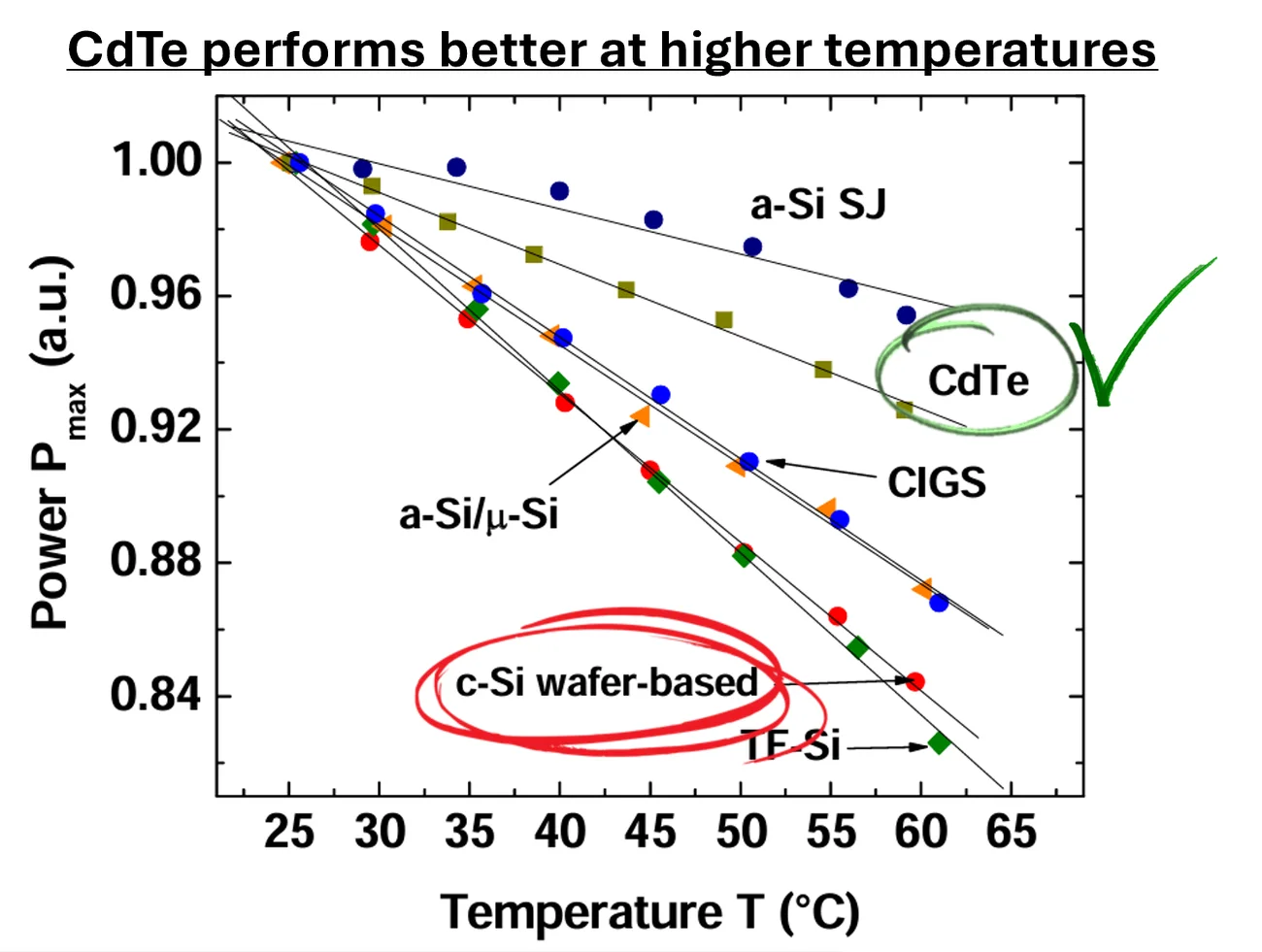
Every solar panel loses power as it heats up — but not equally. CdTe's lower temperature coefficient means it holds on to substantially more of its rated power on hot days, precisely when air conditioners are driving peak demand. Panels routinely operate at 40–65 °C; the chart shows what that does to silicon.
CdTe is a direct band-gap semiconductor: it absorbs sunlight far more efficiently than silicon, including the diffuse light of mornings, evenings, and overcast skies. The result is more kilowatt-hours from the same rated wattage.
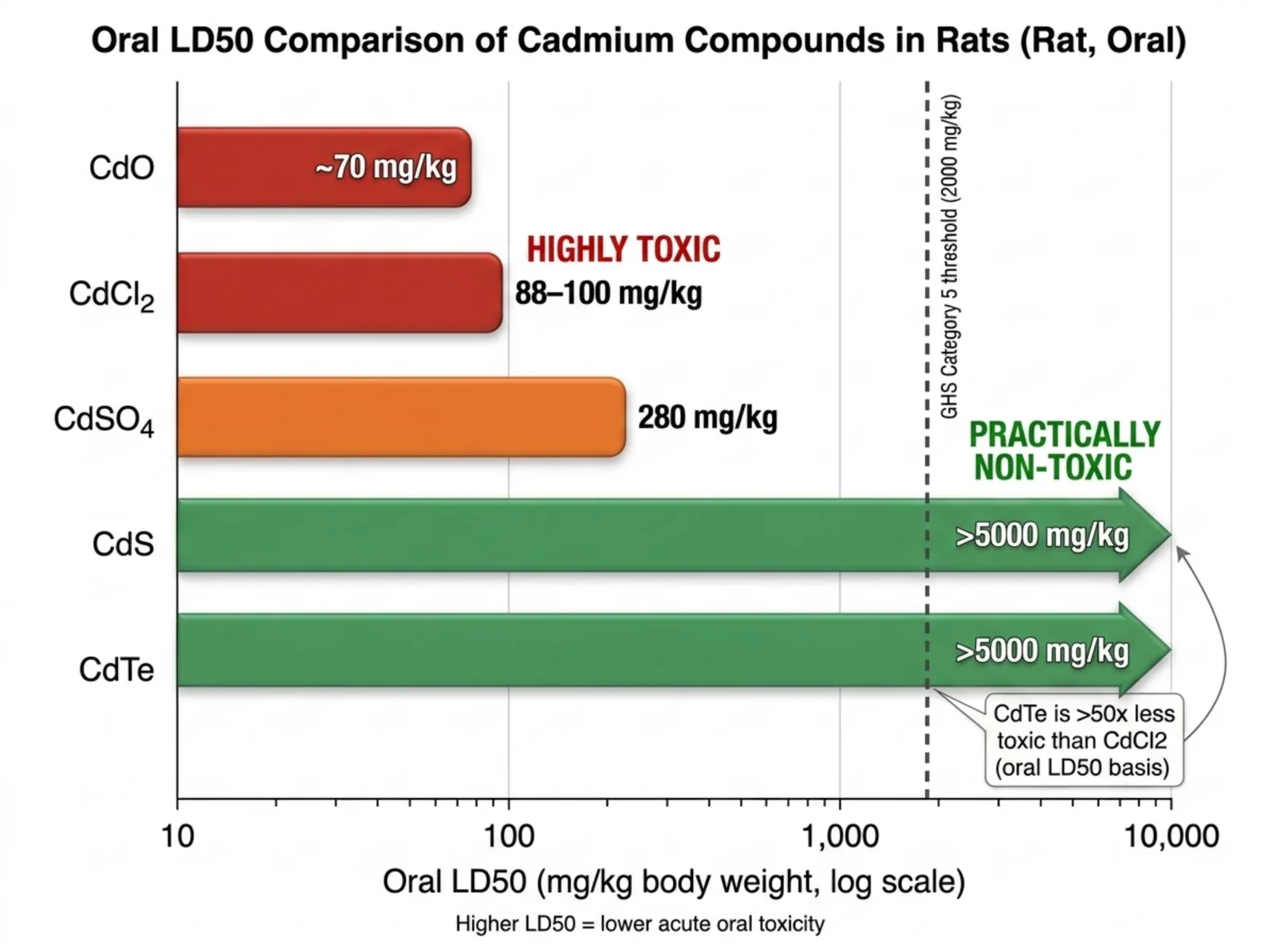
CdTe is a stable compound, not elemental cadmium — think of it like table salt: sodium is explosive and chlorine is poisonous, but sodium chloride is on every dinner table. Millions of CdTe panels are certified and installed worldwide, fully sealed with industry- and government-validated encapsulation.
Thin film's light weight, form-factor flexibility, and real-world energy yield open applications that conventional panels struggle to serve.
Helioslate™ — the roof itself becomes the power plant. U.S.-made tiles that install like shingles and look like slate. Learn more →
Dual-use land: crops below, generation above. CdTe's diffuse-light performance and partial transparency options make it a natural fit for farming co-location.
DetailsCovered parking that pays for itself — shade, weather protection, and clean power over land that's already paved.
DetailsModular power blocks for power-hungry sites — the systems vision being developed under Darwin Energetics.
DetailsCells on thin to ultra-thin glass for exceptional power-to-weight ratios — space, airborne, military, and disaster-relief applications.
DetailsThe proven backbone of thin-film solar — where CdTe's energy-yield advantage compounds over decades of operation.
Details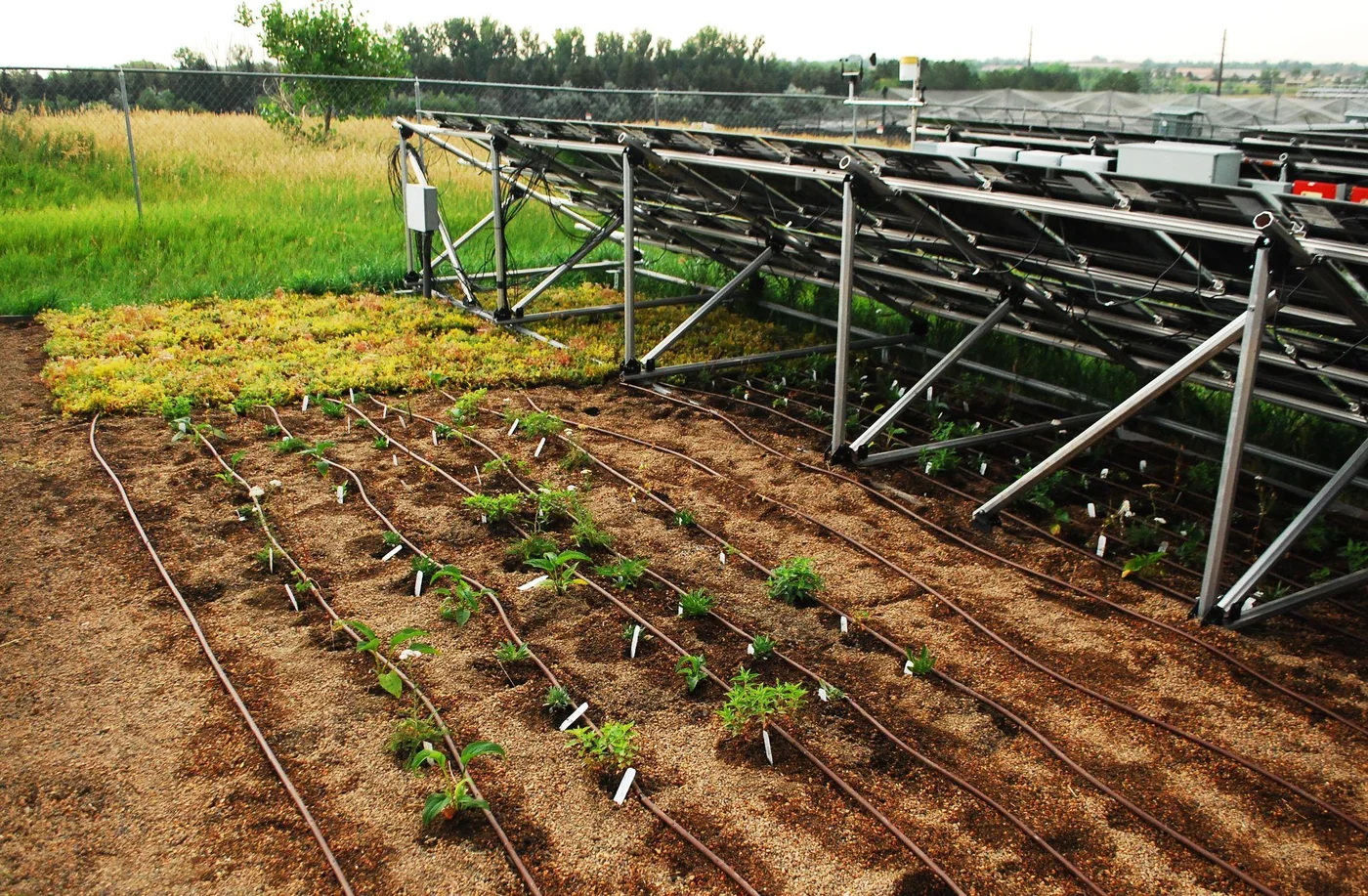
Agrivoltaics co-locates agriculture and solar generation on the same acre — panels provide partial shade that reduces water loss and heat stress for many crops, while the land keeps producing food. The photo above is from a real research installation, with crops growing under elevated panel rows on drip irrigation.
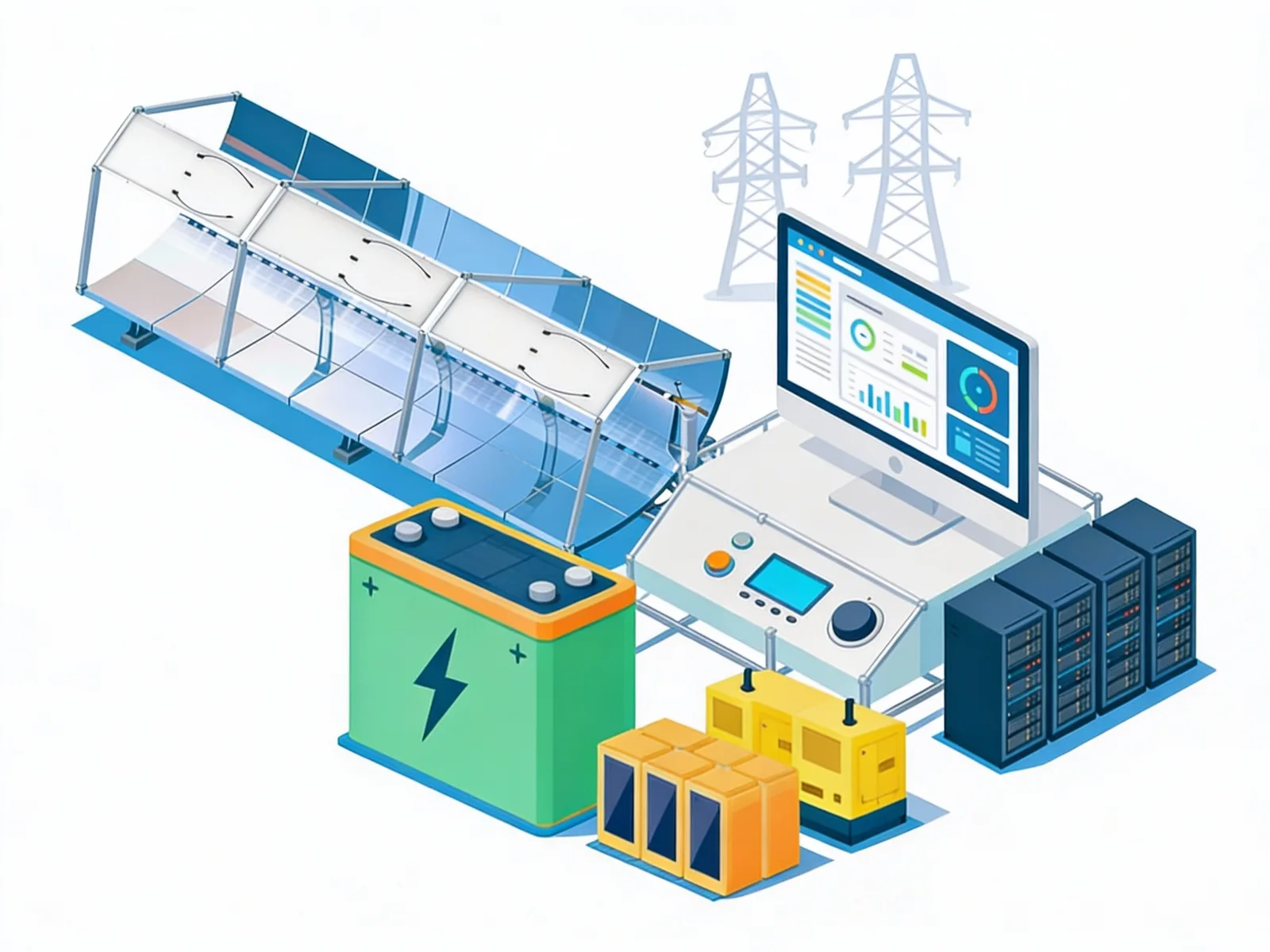
Data centers and industrial loads are growing faster than the grid. Modular solar power blocks — PV, optical concentration, battery storage, and AI-driven power management engineered as one deployable unit — deliver high-density power in months, not years.
This systems vision is being developed under Darwin Energetics.
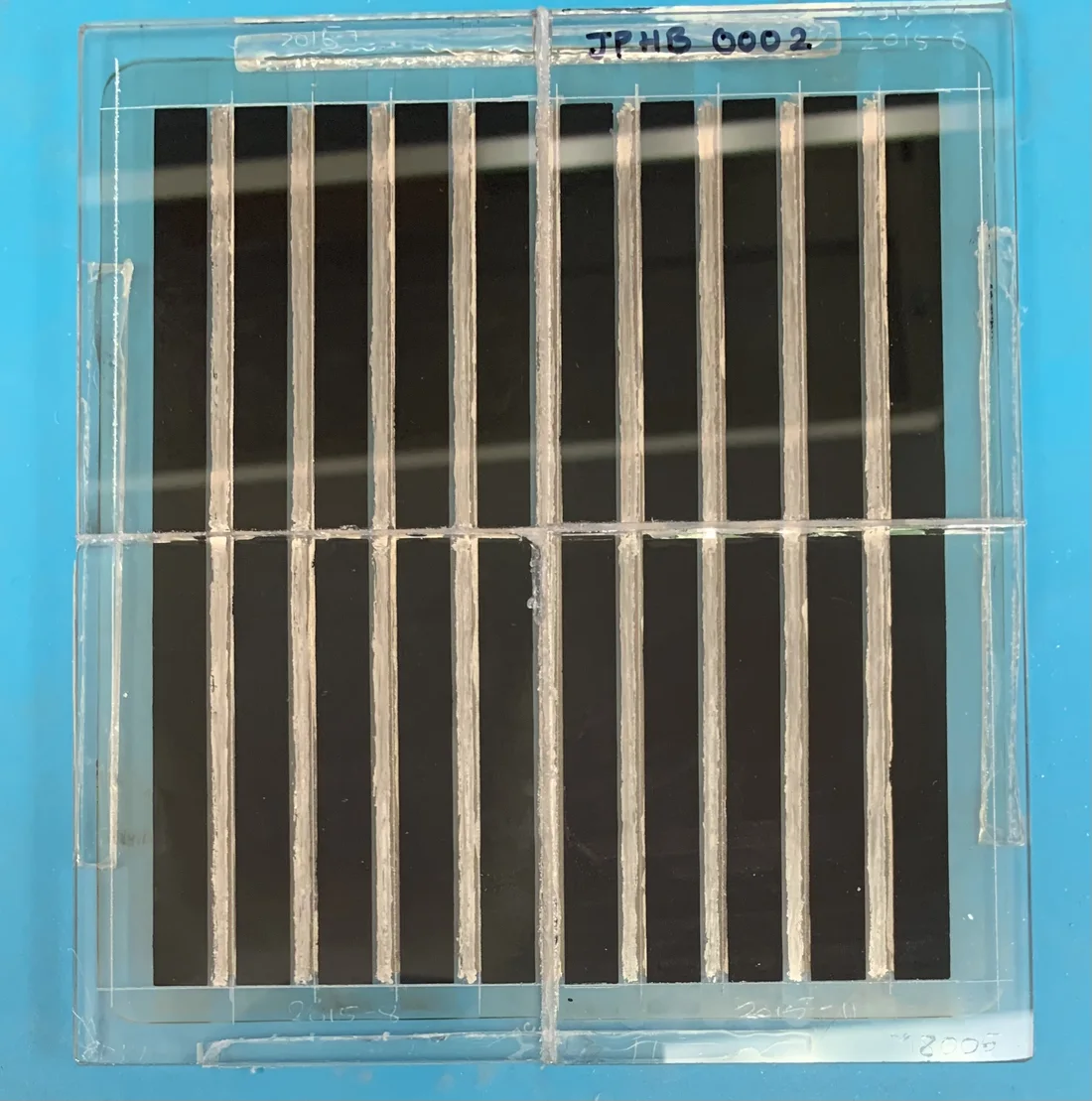
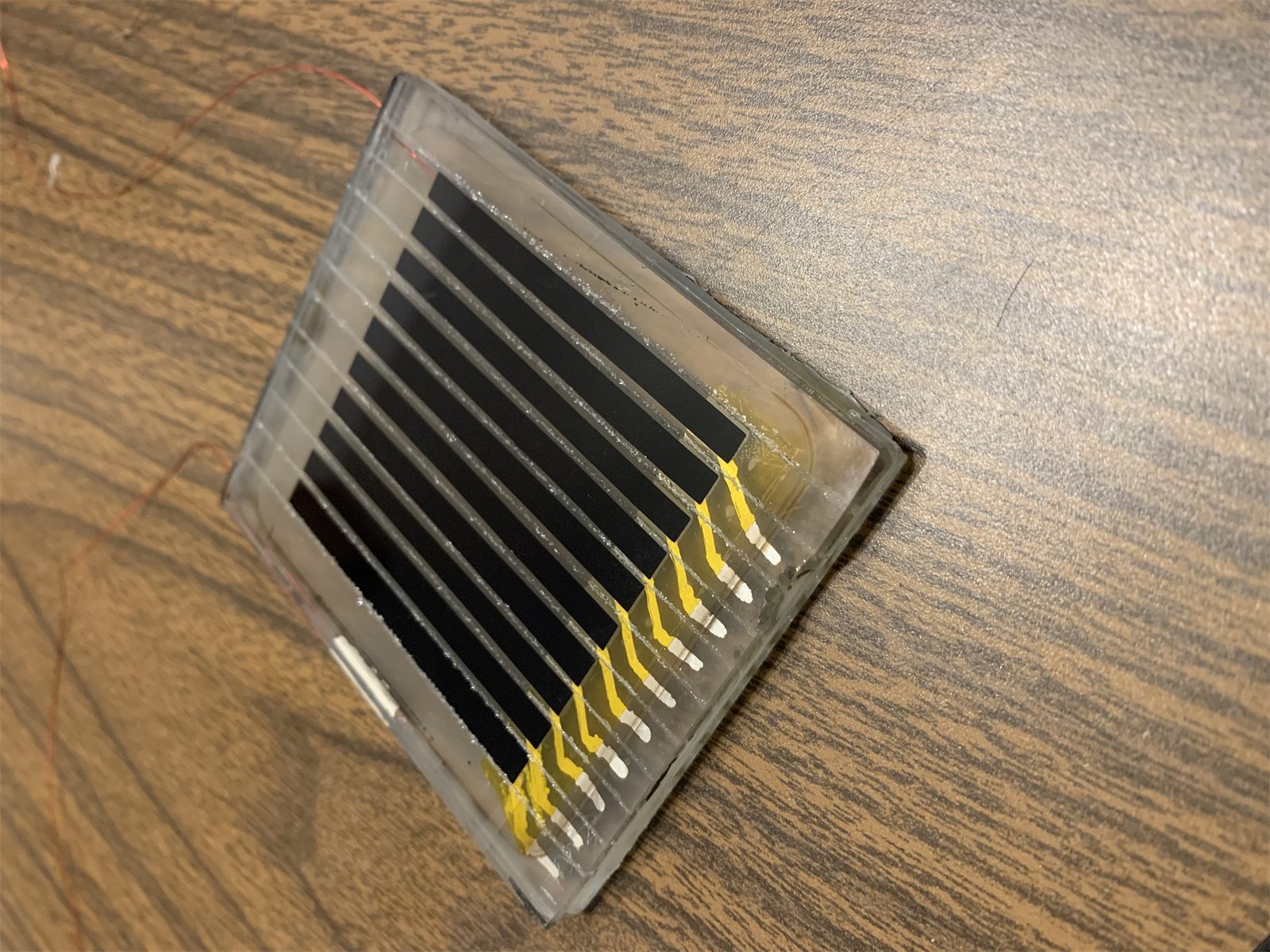
Working with technology partners, our team has demonstrated solar cells and modules on thin to ultra-thin glass — under 1 mm — for exceptional power-to-weight ratios. Pictured: an actual JPHB mini-module prototype.
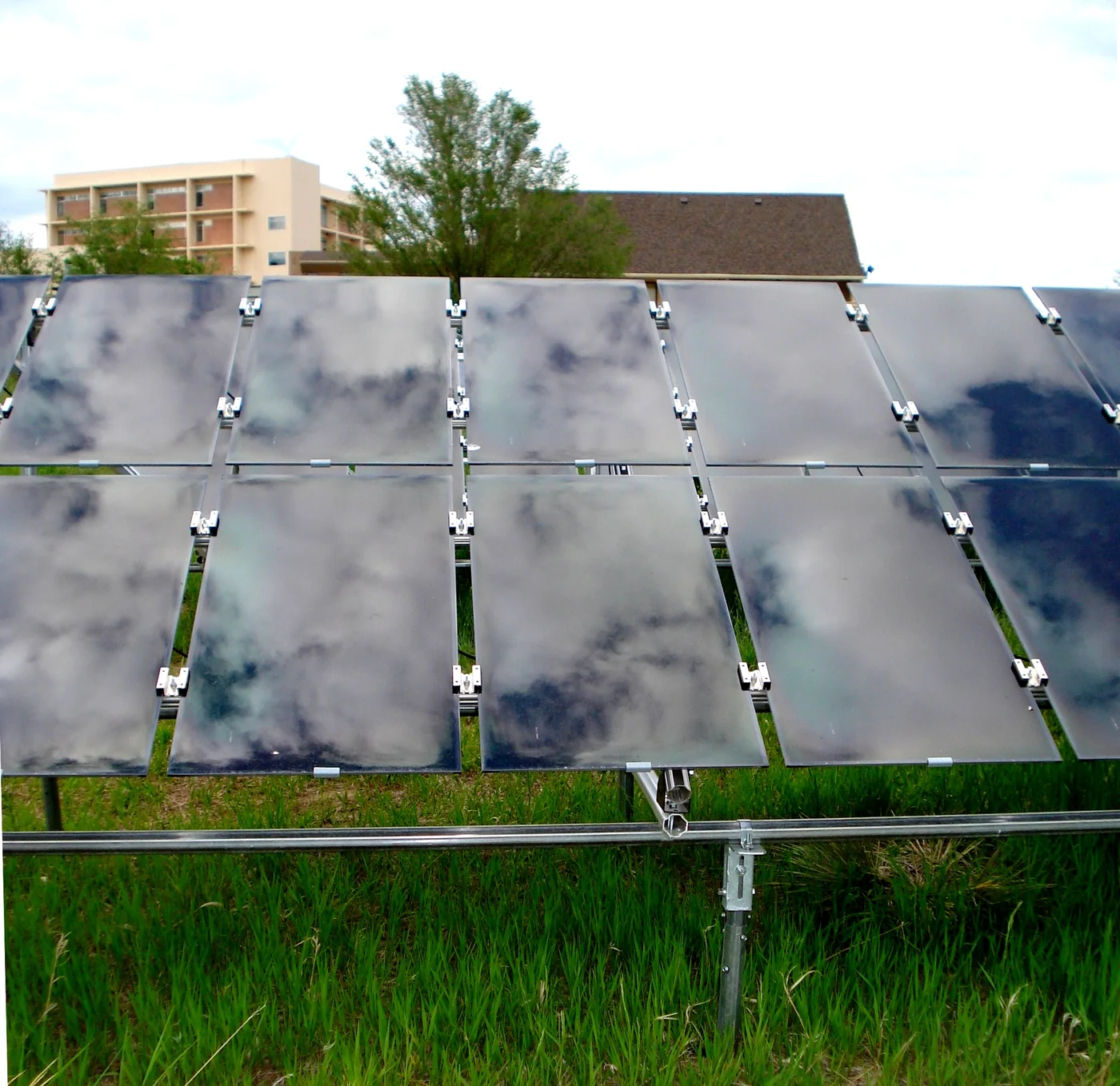
Utility-scale ground-mount and floating installations are where thin film has earned its record. In our side-by-side field testing of identical installed capacity, CdTe out-produced top-of-the-line c-Si panels by nearly 20% — across ground, floating, and rooftop installation conditions.
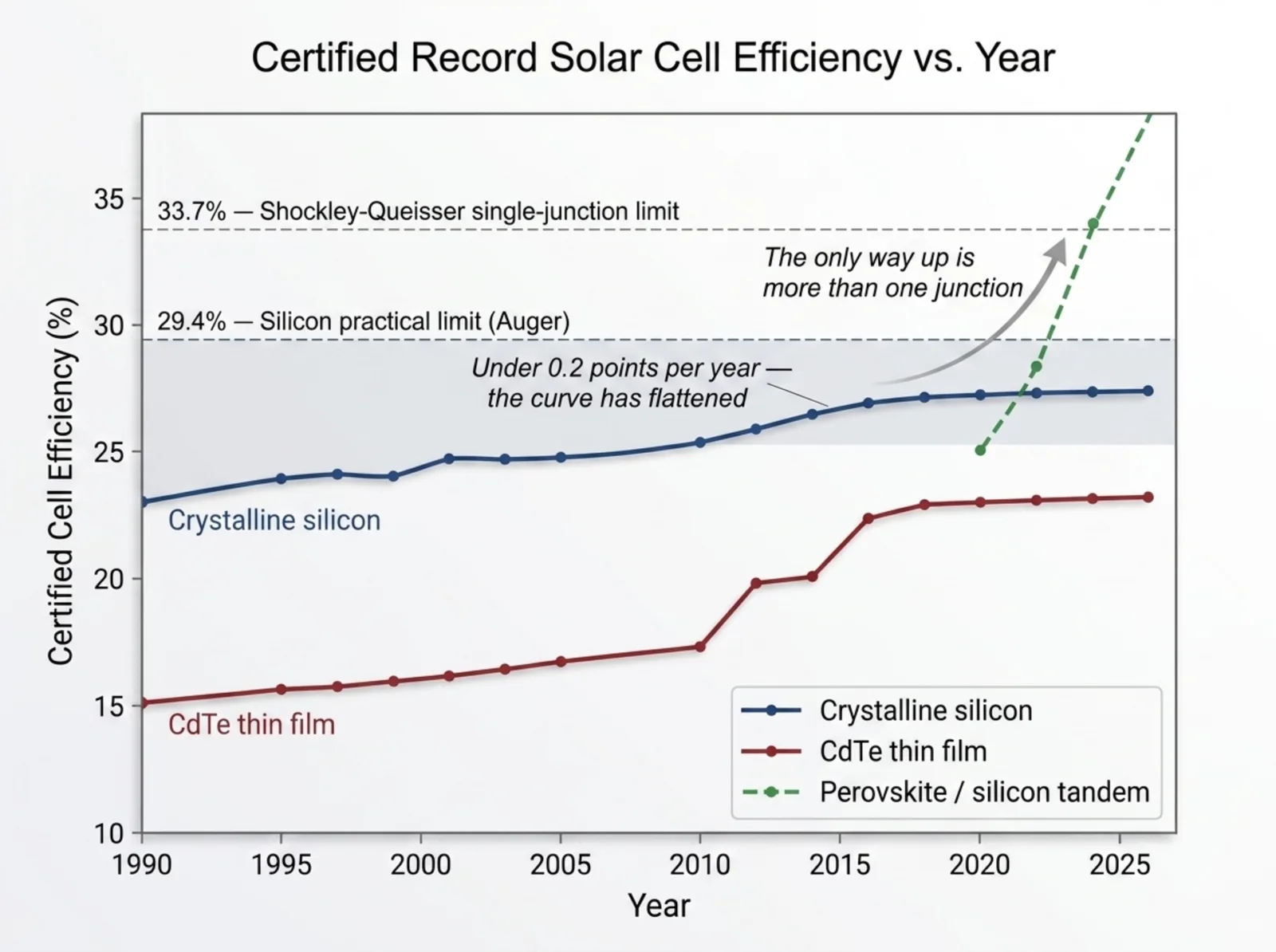
Single-junction solar is approaching its physical ceiling — silicon's practical limit sits near 29%, and the certified-record curves have flattened to a crawl. The only way up is more than one junction: stacked absorbers, each optimized for a different part of the solar spectrum.
JPHB's conviction is that the tandem era should be built on materials with a proven quarter-century field record. That conviction — CdTe and its II-VI cousins as the foundation for tandem and multijunction devices targeting 28% and beyond — is the founding thesis of Darwin Energetics.